Description
Industrial Meat Processing Equipment
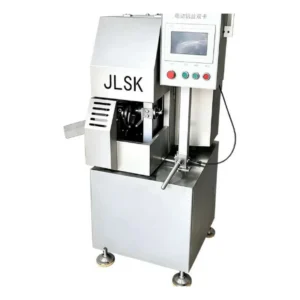
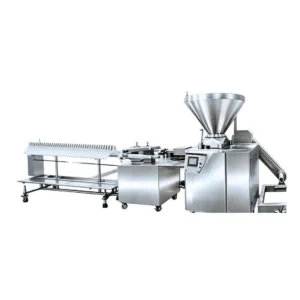
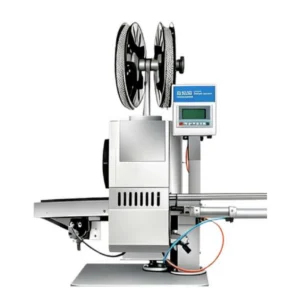
YZG-1200 High-Speed Automatic Sausage Linking & Hanging Line
A high-speed linking and hanging system using pneumatic, photoelectric and microcomputer control for continuous sausage handling. The page below keeps model and numerical data aligned with the supplied product literature. Where the source does not provide a numeric value, the specification is deliberately left for quotation confirmation rather than estimated.
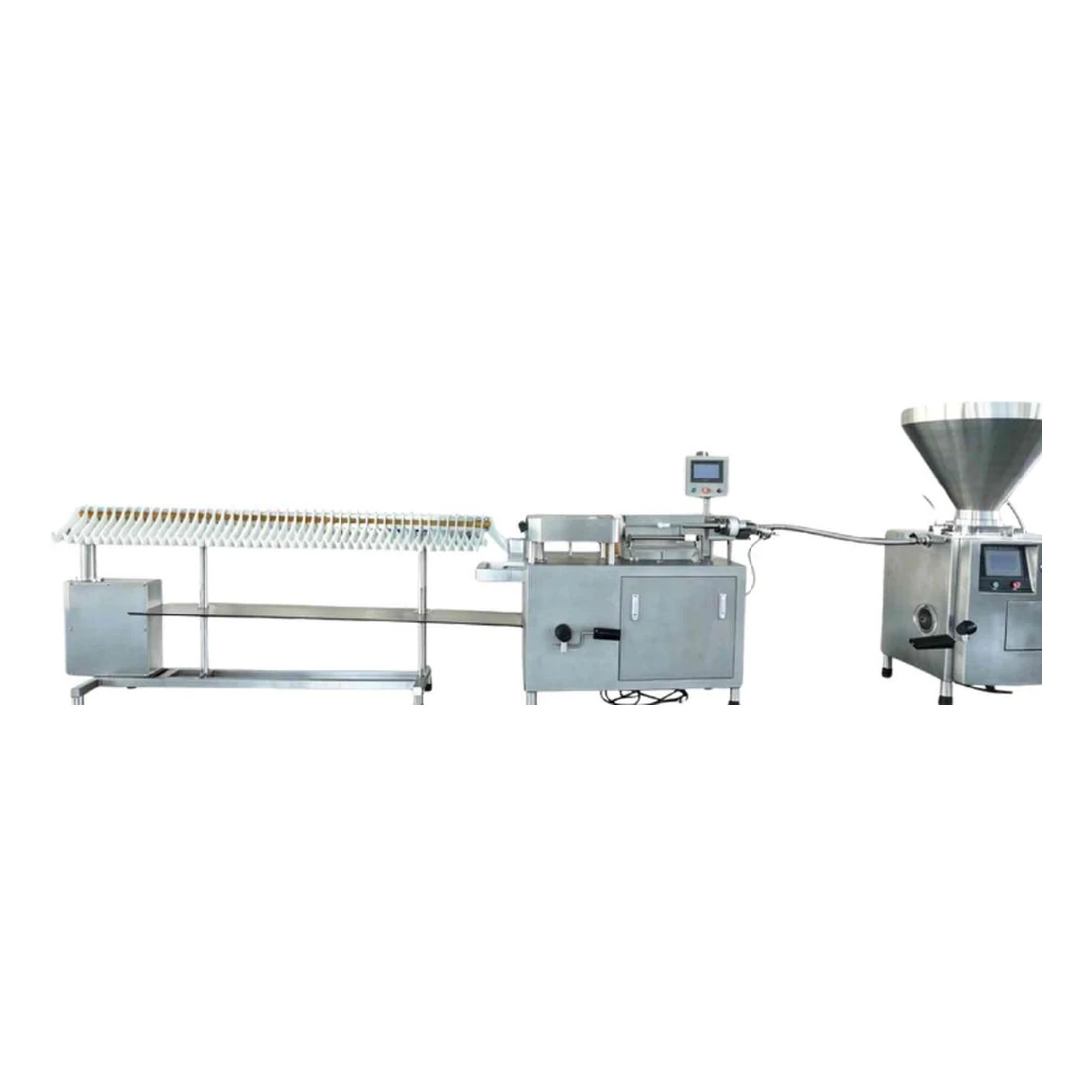
What This Machine Is Designed to Do
In a meat-processing line, machine selection is not only about nominal output. The operating task, upstream feed condition, downstream handling method, casing or product geometry, cleaning routine, available utilities, operator access and expected changeover frequency all affect whether a machine is a practical fit. YZG-1200 High-Speed Automatic Sausage Linking & Hanging Line should therefore be evaluated as part of the complete process rather than as an isolated piece of equipment.
The supplied catalogue positions this equipment for industrial food processing and provides a defined set of model and parameter data. Those source-confirmed values are reproduced in the technical table below without rounding or substitution. Buyers should use the table to establish the first equipment shortlist, then confirm the product recipe, raw-material condition, line speed, plant power supply, compressed-air or vacuum requirements where relevant, and available floor space before release of a purchase order.
For new lines, it is useful to define the process target in measurable terms: kilograms per hour or pieces per minute, acceptable product-size range, required portion or cut repeatability, batch volume, planned sanitation window and target operating hours per shift. For an existing line, the more important question is often interface compatibility. Feed height, discharge direction, casing range, trolley dimensions, material-cart geometry or the pace of the next machine may determine whether the nominal capacity can actually be used.
Source-Confirmed Technical Specifications
The following values are transcribed from the supplied catalogue pages for this product. They are kept as the working technical reference for this import file. Any field shown as quotation confirmation means the supplied material did not provide a safe numeric value for publication.
| Model | YZG-1200 |
| Power | 2.6 kW |
| Kink speed | 1200 /min |
| Machine dimension | 650 × 640 × 1430 mm |
| Machine weight | 145 kg |
| Hanging rod max single-side length | 520 mm |
| Hanging trolley power | 1.5 kW |
| Hanging trolley dimension | 2595 × 630 × 1041 mm |
How to Evaluate the Operating Principle
The basic engineering question is how the machine moves, meters, cuts, mixes, injects, tumbles, clips, hangs or transfers the product and how that movement interacts with the physical condition of the meat. Machines handling whole muscles or large frozen blocks require different feed stability from machines processing emulsified sausage mixtures. Likewise, a clipping or tying unit must match casing geometry and the way the product is presented from the filler. The safest way to specify the equipment is to describe the actual product, not only the desired machine name.
Capacity should be read together with the conditions under which that capacity is achieved. The catalogue values provide an equipment reference point, but actual line performance can be constrained by loading time, product temperature, casing quality, operator rhythm, cleaning frequency and downstream accumulation. For that reason, a line that needs a stable 1,000 kg/h should not automatically select a machine only because a table contains a value above 1,000 kg/h. The complete cycle must be reviewed.
For continuous equipment, synchronization is especially important. If the upstream unit feeds faster than the next machine can accept product, the line will stop or require buffer handling. If the downstream unit runs faster but receives inconsistent product, cycle efficiency also falls. A practical project therefore defines a common operating window for the complete line and selects control interfaces, conveyors, trolleys or manual handling points around that window.
Applications and Process Integration
Use the machine at the stage where its mechanical function directly prepares, fills, portions, cuts, mixes, injects, tumbles, closes or handles the meat product.
Match the machine to the real upstream and downstream cycle rather than relying on the maximum catalogue value alone.
Check how recipe, casing, product size, blade, clip, needle, trolley or batch changes affect setup time and cleaning access.
Plan drainage, wash access, removable contact components and inspection points around the machine footprint.
Selection Checklist for Buyers and Engineers
Start with the actual product specification. Provide the meat type, fresh or frozen condition, inlet temperature, target cut or portion geometry, casing diameter where applicable, batch size, required throughput and the desired finished-product presentation. If the project involves several products, list the smallest and largest sizes and identify which format drives the machine selection. This is more useful than giving only a single nominal capacity target.
Next, verify the plant utilities. Electrical voltage and frequency must match the installation site. Pneumatic machines need adequate pressure and air quality. Vacuum equipment needs suitable vacuum-pump capacity and a reliable sealing system. Heating or smokehouse equipment additionally requires review of steam, heating and exhaust arrangements. The product table above should be treated as the baseline; installation-specific electrical and utility details should be confirmed on the final quotation and drawing.
Finally, measure the available space and material flow. Allow room not only for the machine body but also for doors, covers, loading devices, carts, hanging racks, maintenance access, operator standing area and cleaning movement. Where the table lists a machine dimension, use it as the equipment envelope and then add the required service clearance for the actual plant.
Request Technical Confirmation
Cleaning, Maintenance and Reliability Planning
Food-processing equipment must be selected with sanitation in mind. The supplied literature repeatedly emphasizes stainless-steel construction and cleanable design across this equipment range. In practice, the buyer should confirm which surfaces are product-contact surfaces, how guards and covers open, which parts are removable without special tools, how liquid drains, and which inspection points are available after cleaning. Cleaning instructions should be incorporated into the plant sanitation procedure before production begins.
Preventive maintenance should be based on actual operating hours and load. Bearings, seals, blades, clips, needles, chains, reducers, vacuum components, pneumatic seals and electrical sensors have different inspection cycles. A useful spare-parts plan identifies the components that can stop production and keeps those items on site. For machines with cutting or clipping tools, wear inspection should be linked to product quality as well as machine condition because gradual wear can appear first as a change in cut quality, closure quality or cycle repeatability.
Operators should also have a clear start-up and shutdown sequence. Confirm that guards are in position, utilities are within the specified range, the product path is clear and the correct recipe or speed setting has been selected. At shutdown, remove residual product, isolate energy according to plant procedure and inspect the areas that are difficult to see during operation. These basic controls reduce unplanned stoppages and make troubleshooting more systematic.
RFQ Information That Speeds Up Configuration
- Product name, meat type and raw-material temperature.
- Required throughput or batch size and expected operating hours per shift.
- Product size, casing diameter, portion length or cut geometry where relevant.
- Electrical voltage/frequency and available compressed air, vacuum, steam or exhaust utilities where relevant.
- Plant layout, available installation space and required feed/discharge direction.
- Any integration requirement with fillers, clippers, hanging systems, mixers, tumblers, injectors, cutters, smokehouses, carts or lifting devices.
Providing these details allows the quotation to focus on the configuration that can actually run the intended product. It also creates a better basis for confirming final dimensions, utility consumption, optional accessories and line interfaces before shipment.
Frequently Asked Questions
Can the listed capacity be treated as guaranteed line output?
It should be treated as the source-listed equipment value. Final line output depends on product condition, loading, operator practice, upstream and downstream balance and selected configuration. Confirm the project operating condition during quotation.
Can the machine be integrated into an existing line?
Usually integration can be evaluated, but feed height, discharge direction, speed range, control interface and product presentation must be checked against the existing equipment.
What information is needed before a final model is confirmed?
Provide the product recipe or type, size range, required throughput, plant utilities and layout. For casing-based products, include casing type and diameter. For cutters, provide product temperature and target geometry.
Are all numerical values on this page taken from the supplied catalogue?
Yes. The public specification table is limited to values supported by the supplied materials. Unstated numeric fields are left for quotation confirmation rather than estimated.
How should maintenance access be planned?
Allow space around service panels, guards, doors, cutting or mixing areas and material-handling interfaces. The machine footprint should not be used as the full installation-space requirement.
For application matching, send the model requirement, industry or product type, target capacity and key specifications through the contact page. The engineering discussion can then focus on configuration rather than assumptions.